System design
Each card with its notes, and the video lesson that teaches it where there is one.
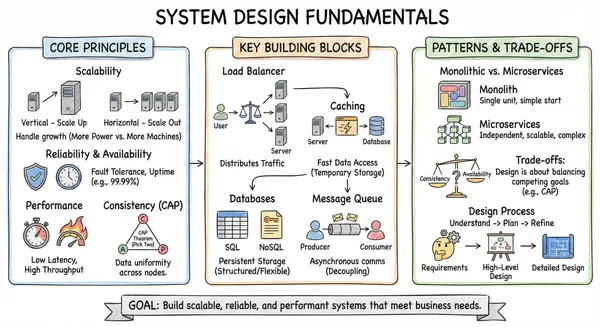 1. Fundamentals
An overview of the key building blocks, core principles, trade-offs and design process of system design.
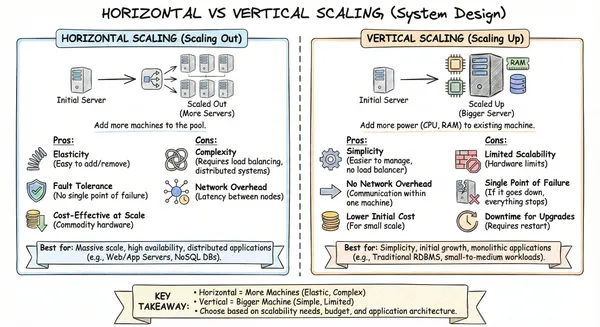 2. Scaling
Compares horizontal scaling (adding machines) with vertical scaling (making one machine bigger), with the pros, cons and best uses of each.
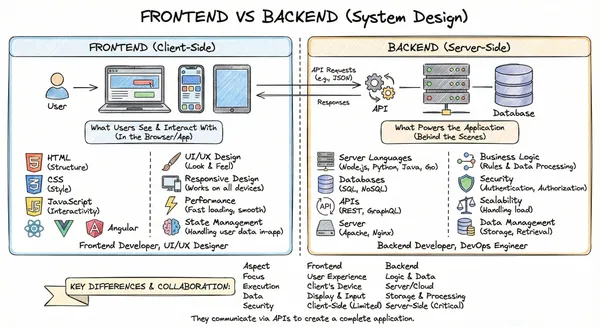 3. Frontend vs backend
Explains how the frontend (what users see) and the backend (the logic and data behind it) differ and work together through APIs.
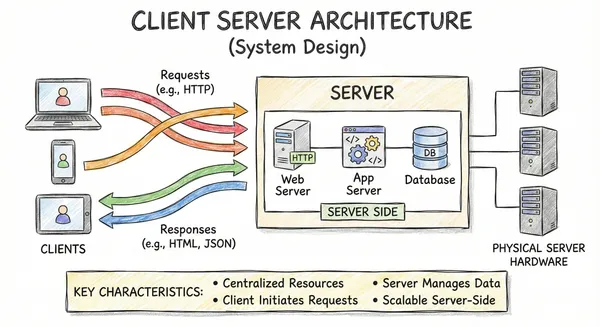 4. Client-server architecture
Describes the client-server model in which user devices request services from centralized servers, its request-response cycle, key characteristics and advantages.
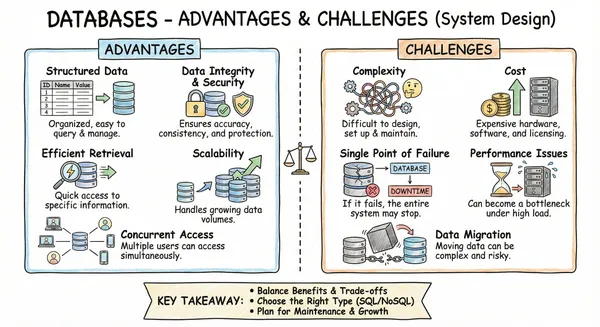 5. Databases
Lists the advantages and challenges of databases and how to weigh them.
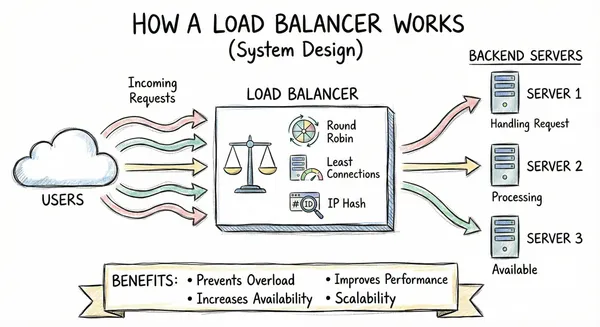 6. Load balancer
Explains how a load balancer distributes traffic across servers, the common distribution algorithms, its benefits and typical use cases.
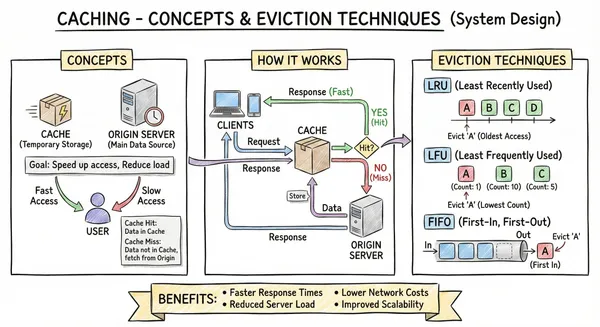 7. Caching
Explains how a cache sits between users and the origin server, what hits and misses are, the LRU, LFU and FIFO eviction policies, and the benefits of caching.
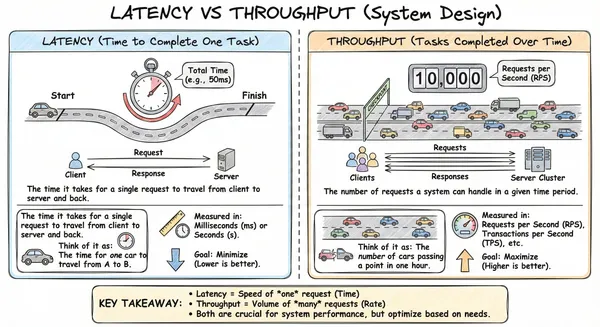 8. Latency vs throughput
Contrasts latency (how fast one request completes) with throughput (how many requests are handled over time), their trade-off and how to optimize each.
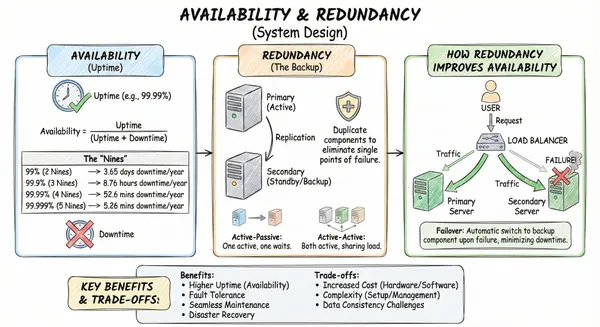 9. Availability and redundancy
Explains availability (uptime) and redundancy (backup components), the nines table, replication patterns, how redundancy improves availability, and its benefits and trade-offs.
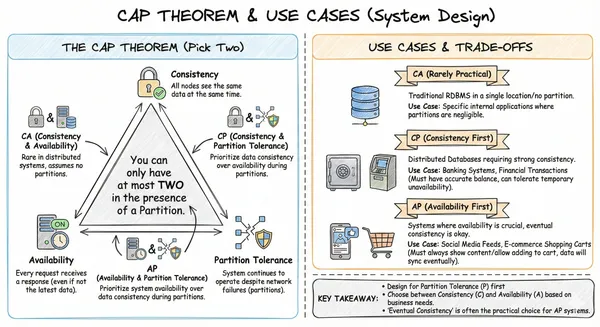 10. CAP theorem
Explains the CAP theorem (consistency, availability, partition tolerance), why a distributed system can only guarantee two, and the CA, CP and AP trade-offs with use cases.
and many more
Make them stick
Sign in to see every card full size, tick the ones you've got, come back to the rest later, and keep your own notes on each card.